


Enviromental Impact
How is furniture poverty connected to the environment?
Each year, millions of tons of furniture are discarded in landfills across the United States. Many of these items are still usable but are thrown away due to moving, redecorating, downsizing, or lack of convenient donation options.
At the same time, families in our community are sleeping on floors and living without basic furnishings.
Furniture banks bridge this gap — redirecting gently used furniture from the waste stream into homes where it is urgently needed.
Isn’t buying new furniture better?
New furniture production requires:
Lumber harvesting
Metal mining
Textile manufacturing
Foam and petroleum-based materials
Transportation and packaging
By redistributing donated furniture, we reduce demand for new manufacturing and promote responsible reuse — one of the most effective forms of sustainability.
How much waste does furniture contribute?
The Environmental Protection Agency estimates that millions of tons of furniture are discarded annually in the United States. A significant portion of that waste could be reused if proper redistribution systems were in place.
Furniture banks play a critical role in creating that system.
Why is this both a social and environmental issue?
Furniture poverty exists at the intersection of:
Economic hardship
Housing instability
Material waste
Environmental strain
When we redirect furniture to families transitioning into housing, we:
✔ Restore dignity
✔ Strengthen housing stability
✔ Reduce landfill waste
✔ Promote sustainability
It is a solution that addresses two systemic challenges at once.
Why is discarded furniture a problem?
Furniture is bulky and difficult to dispose of responsibly. When sent to landfills:
Wood products contribute to methane emissions as they break down
Upholstered items take up significant landfill space
Metal components require energy-intensive recycling processes
Synthetic materials do not decompose easily
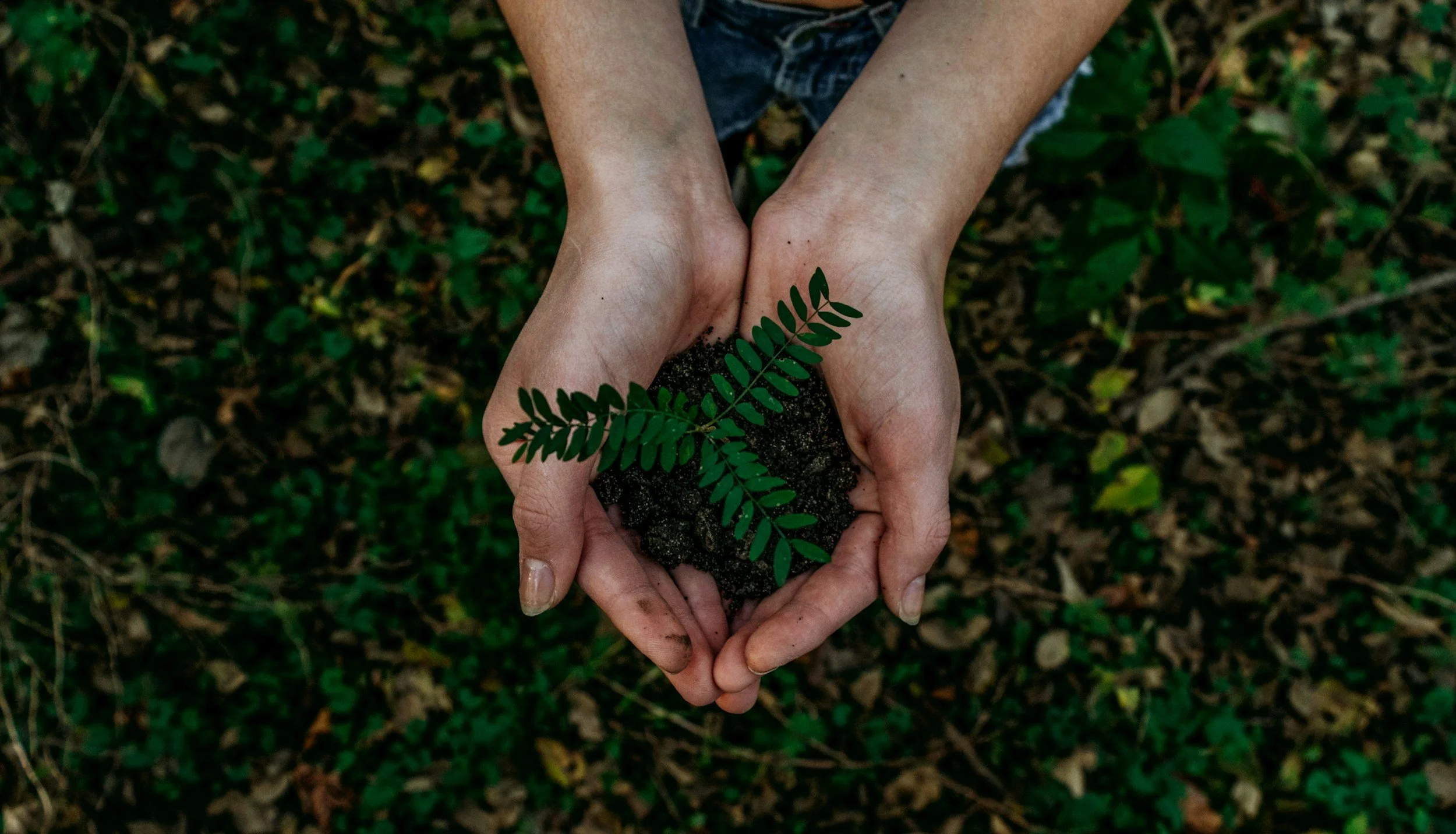
Diverting furniture from landfills reduces environmental strain while extending the life cycle of existing materials.
How does The Mustard Seed support environmental responsibility?
The Mustard Seed of Central Indiana:
Diverts usable furniture from landfills
Promotes reuse over disposal
Extends the life cycle of household goods
Reduces community waste volume
Encourages sustainable giving practices
Our work supports both social stability and environmental stewardship.
How can I help reduce furniture poverty and environmental waste?
You can:
Donate gently used furniture
Sponsor a delivery route
Fund a household package
Volunteer in our warehouse
Host a community furniture drive
Every donated item reduces waste and restores a home.
By furnishing homes, we restore dignity while protecting our environment.